A 4 × 8 bed.
Make it count.
What to plant in a 4 × 8 raised bed.
Thirty-two square feet can be useful. Choose the kind of meals you want from it, then leave room to grow and get in there.
Choose a direction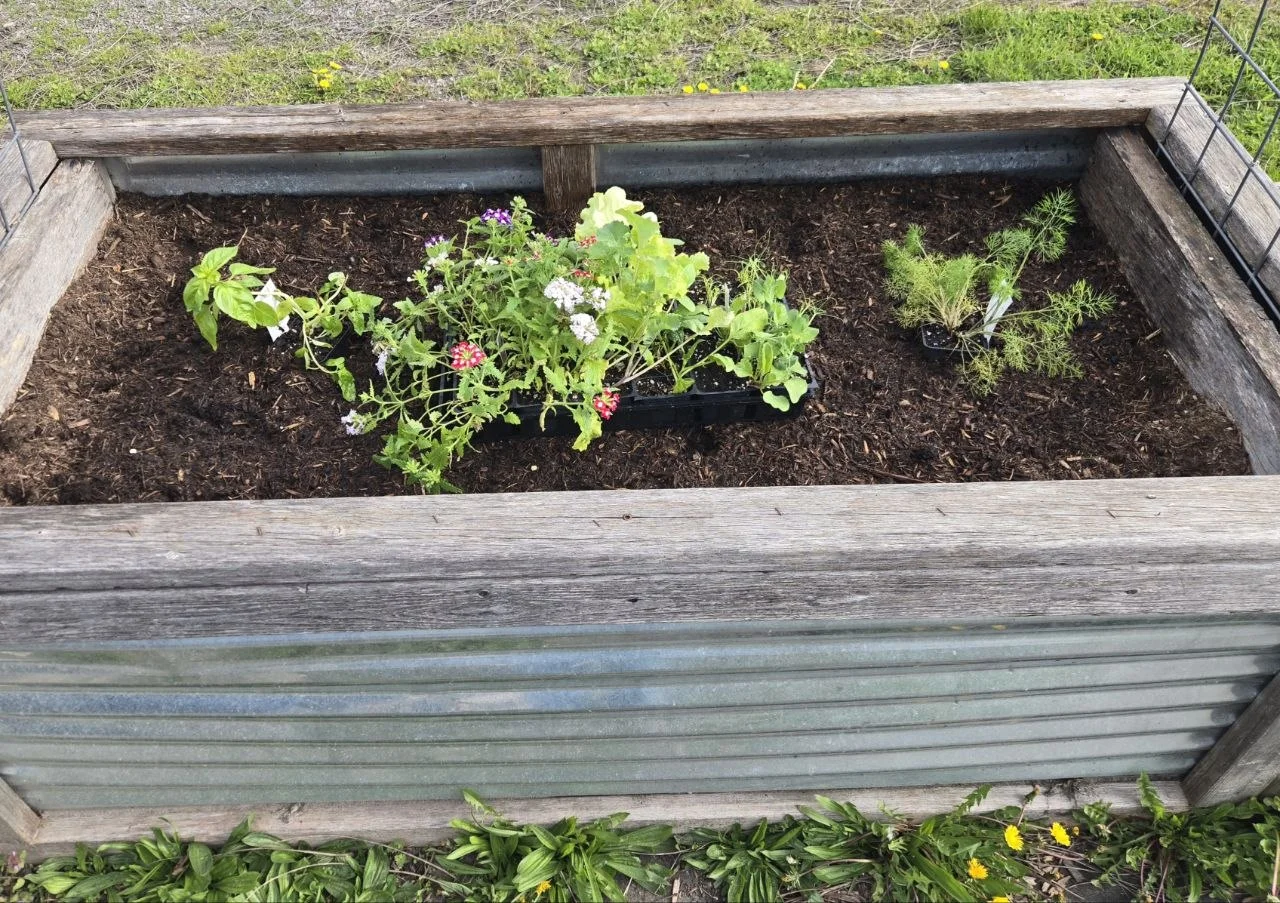
What do you
actually eat?
Choose a concept to picture the bed. This is a visual guide—not a precision spacing calculation.
32 square feet. Diagram not to scale; zone sizes and plant counts are not calculated. “Back” means the taller side of your arrangement—not a compass direction. Match placement to your sunlight and access.
Tomato & pepper
A mix built around tomatoes and peppers, with low crops at the reachable front. Check mature size and spacing for your varieties.
Try the interactive plannerThe planner supplies a rough sketch too. It does not certify spacing for your varieties.
Fewer big plants.
More useful room.
Start with size.
Zucchini can dominate. Cucumbers need support or sprawling room. Mature size matters more than the size of a starter pot.
Keep access.
Can you reach the middle, supports and fruit? A productive-looking map is not useful if harvesting becomes a wrestling match.
Respect the edges.
Pumpkins, winter squash and sprawling melons usually need more room. An edge experiment is different from a reliable fit.
Herbs fit best
with a purpose.

Choose a few you’ll cut.
Try basil near tomatoes or peppers, narrow chives, reachable parsley, and thyme on drier edges. These are starting ideas, not a reason to fill every spare inch.
Keep the collectors elsewhere.
Mint belongs in its own pot in this plan. Give a large rosemary or lavender plant room of its own rather than treating it as a tiny permanent tuck-in.
The missing piece
wasn’t another plant.
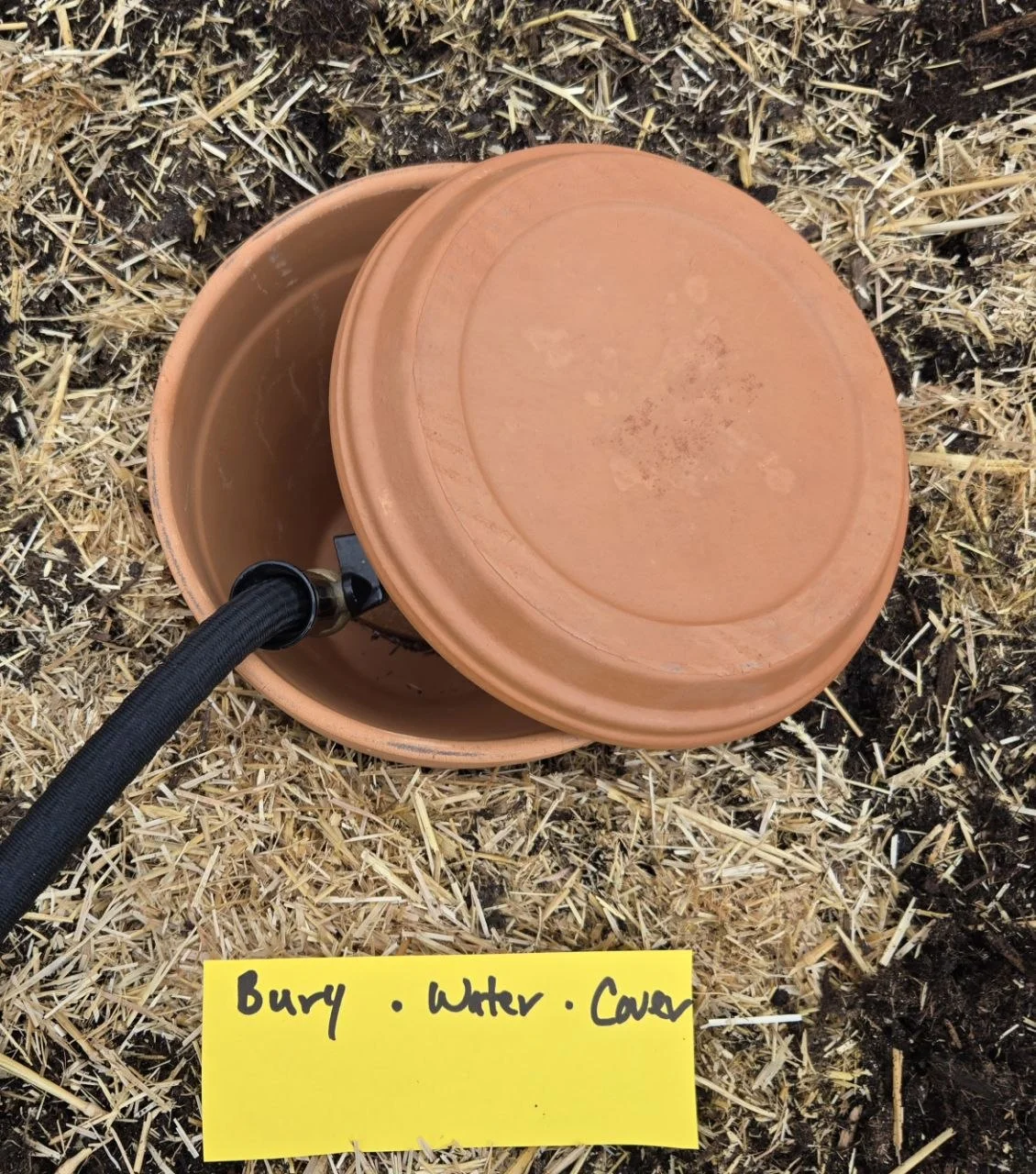
After the city raised beds struggled again, we started looking for a better watering approach. Ollas became an experiment, not a proven rescue story.
Read our garden story
Want more useful backyard stuff?
New growing ideas, projects, wildlife discoveries and the occasional thing we learned the hard way.